Villa Tokara

Curaçao

Villa Tokara

Client: Private
Industry: complex project
Disciplines: Architecture Landscape Interior
Area: 2,737 m2
Time: April 2024
Location: Curaçao
Status: Construction

The architectural approach prioritizes material expression and spatial composition, using texture, color, and detail to define atmosphere and reinforce the identity of the space.

Project Brief

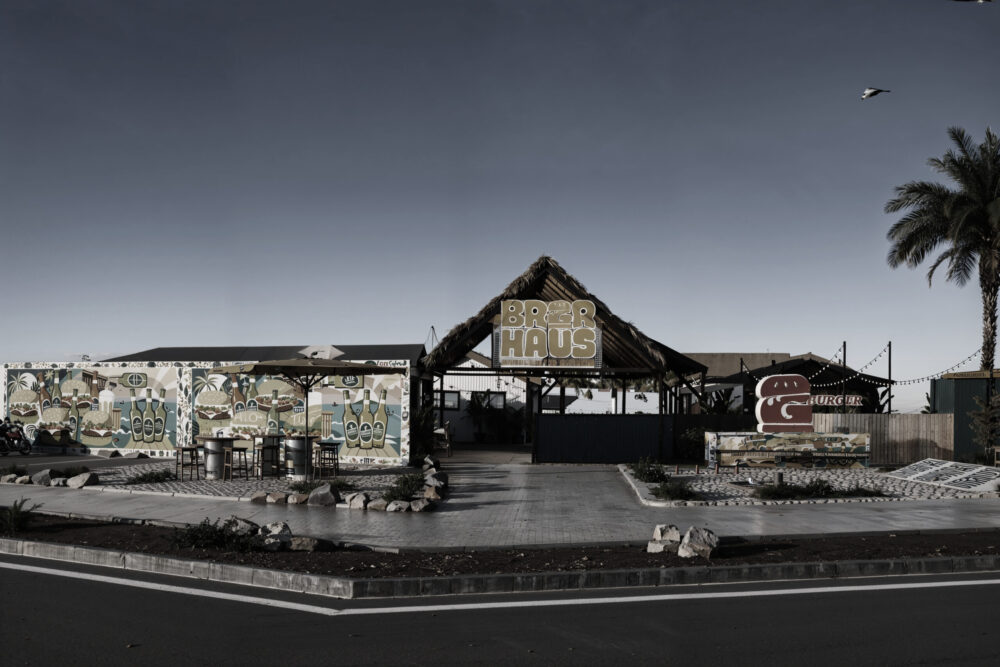
This project is a commercial interior located in Curaçao, developed as a contemporary hospitality space with a strong emphasis on atmosphere and spatial experience. The intervention builds upon a recognizable local architectural language, reinterpreting it through a refined and contemporary design approach.

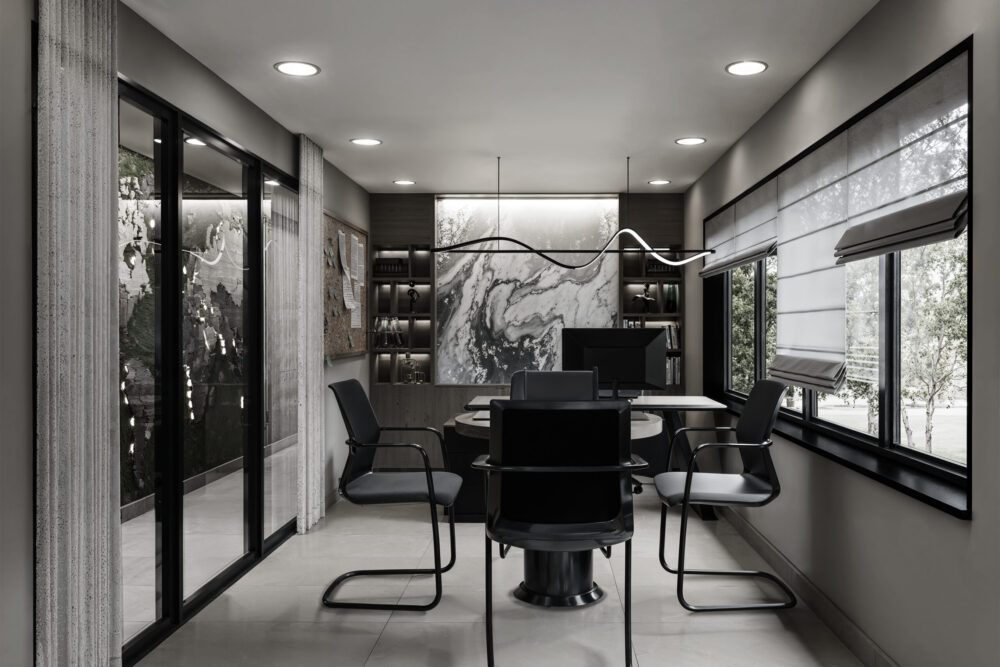
The design strategy focuses on material richness, controlled lighting, and spatial organization to support social interaction and prolonged use. Carefully curated textures, color, and detailing work together to create an immersive environment that reinforces both identity and functionality within a commercial context.

Our Solutions
01.
Architectural Elegance
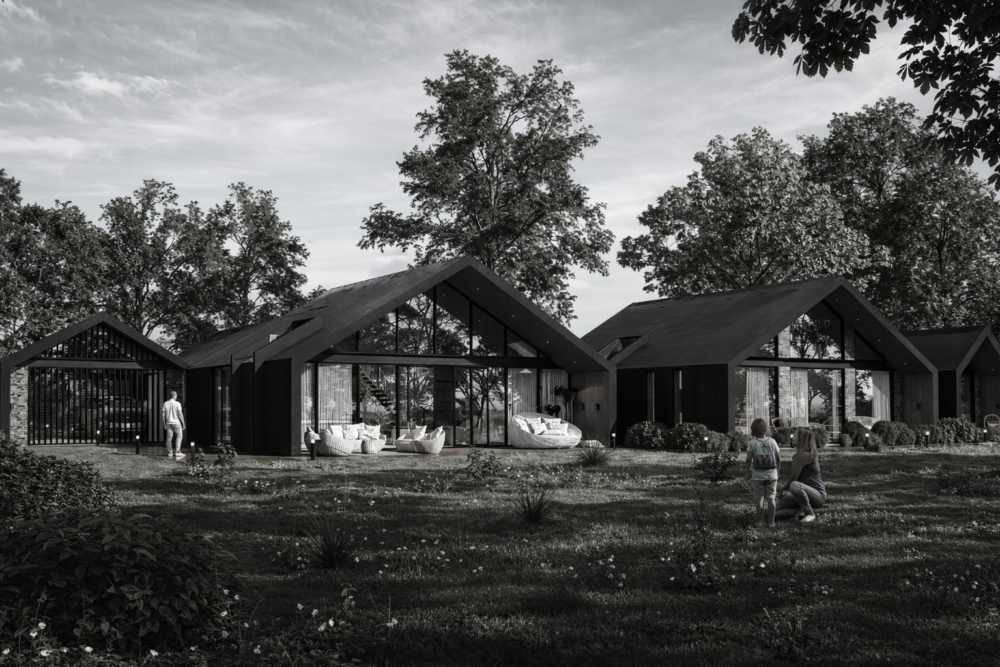
The architectural proposal is defined by clean geometries and a balanced volumetric composition that gives the space a strong yet refined presence. The design prioritizes clarity, proportion, and visual rhythm, allowing the architecture to communicate identity without relying on excess.
02.
Landscape Relationship
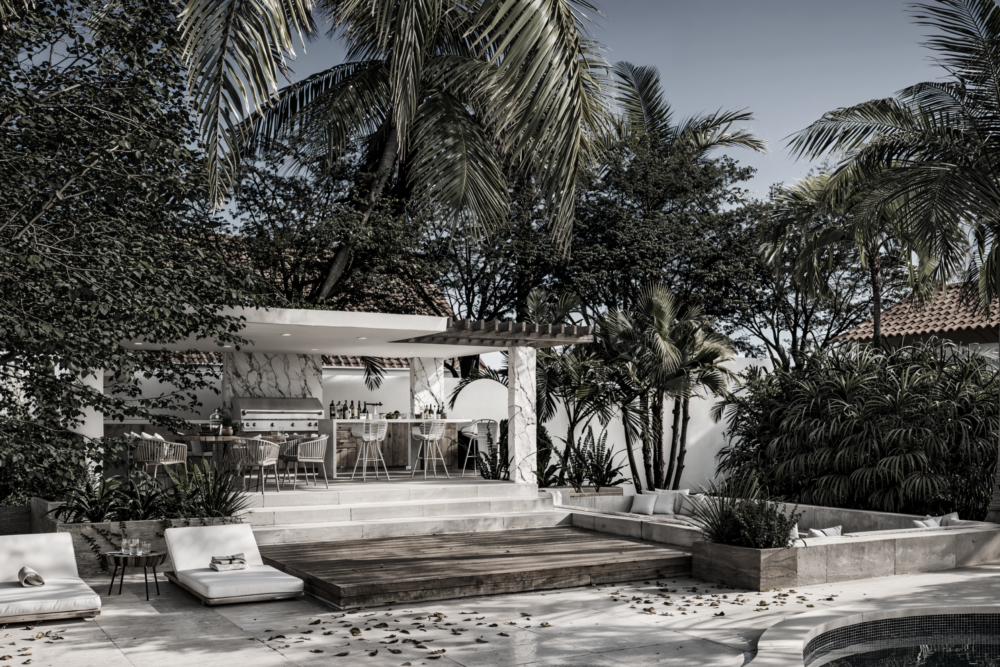
The project establishes a deliberate dialogue with its surroundings, using openings, transitions, and spatial sequencing to connect interior spaces with the exterior context. This relationship enhances orientation, comfort, and visual depth, reinforcing a sense of place within the commercial environment.

03.
Technical Integration
Technical systems are seamlessly integrated into the architectural design to support performance without compromising spatial quality. Lighting, ventilation, and service elements are carefully coordinated to remain discreet while enhancing functionality and long-term efficiency.
04.
Interior Atmosphere
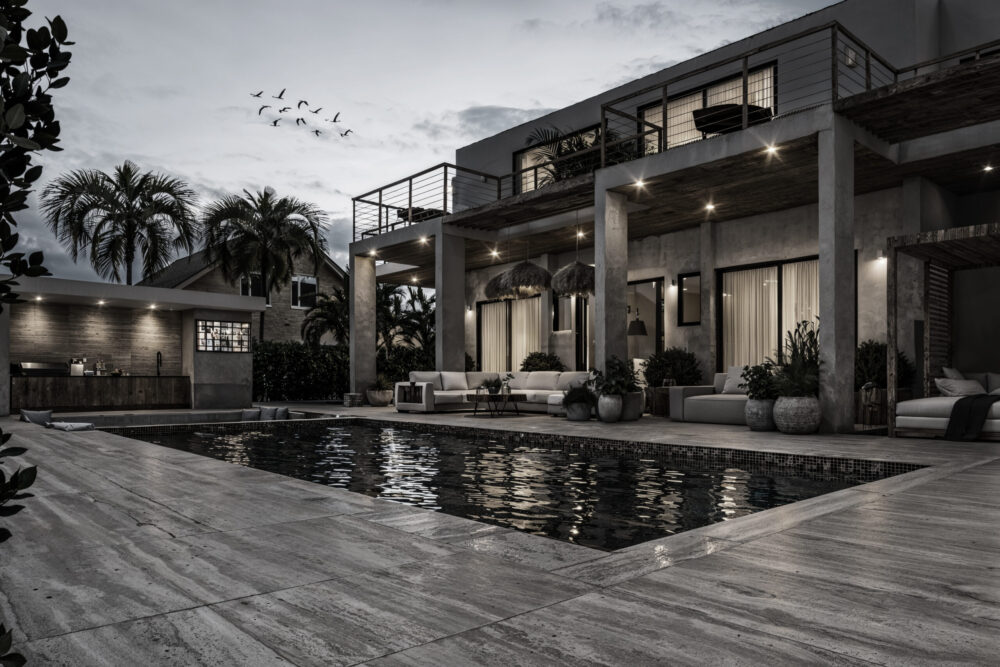
The interior atmosphere is shaped through controlled lighting, spatial proportions, and a carefully curated material palette. The result is an immersive environment that invites users to remain, interact, and experience the space beyond its primary function.
05.
Material Expression
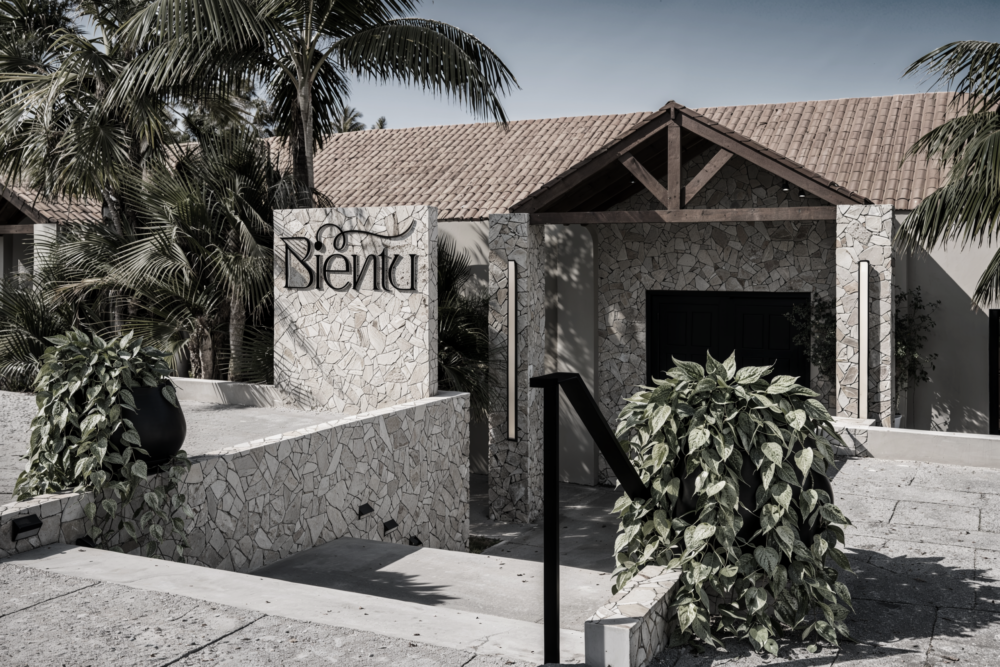
Material expression is conceived as a tool to shape perception and atmosphere. Surfaces, textures, and finishes are carefully combined to introduce depth, warmth, and visual continuity, reinforcing the spatial narrative while maintaining a restrained and cohesive language.

A space shaped by texture, light, and intention.

Design Philosophy

The design philosophy of this project is rooted in creating a spatial experience that feels intentional, immersive, and adaptable. The proposal prioritizes atmosphere and flow, allowing the space to respond naturally to different moments of use while maintaining a clear and consistent identity.

outstanding outcome
Context-Driven Design: The project establishes a strong spatial identity while responding sensitively to its local context, integrating climate, surroundings, and cultural references into a contemporary commercial environment.
Fluid Spatial Experience: Interior spaces are organized to encourage movement, interaction, and visual continuity, creating a seamless experience that adapts to different moments of use throughout the day.
Atmosphere as a Design Driver: Lighting, proportions, and materiality work together to define mood and perception, transforming the space into an immersive and memorable environment.
Comfort and Performance: Environmental comfort is achieved through thoughtful spatial planning and technical coordination, ensuring usability, efficiency, and long-term functionality.
Refined Material Identity: Carefully selected textures and finishes provide depth, durability, and a timeless character, reinforcing the project’s identity without visual excess.
Project Teams
Principal Architect Yma Prins
Architect Designer Carolina Bustamante
Interior Designer Andrés Castaño
Scroll
Drag
Cart (0 items)